The Pros and Cons of White vs Orange Lights for Your Home
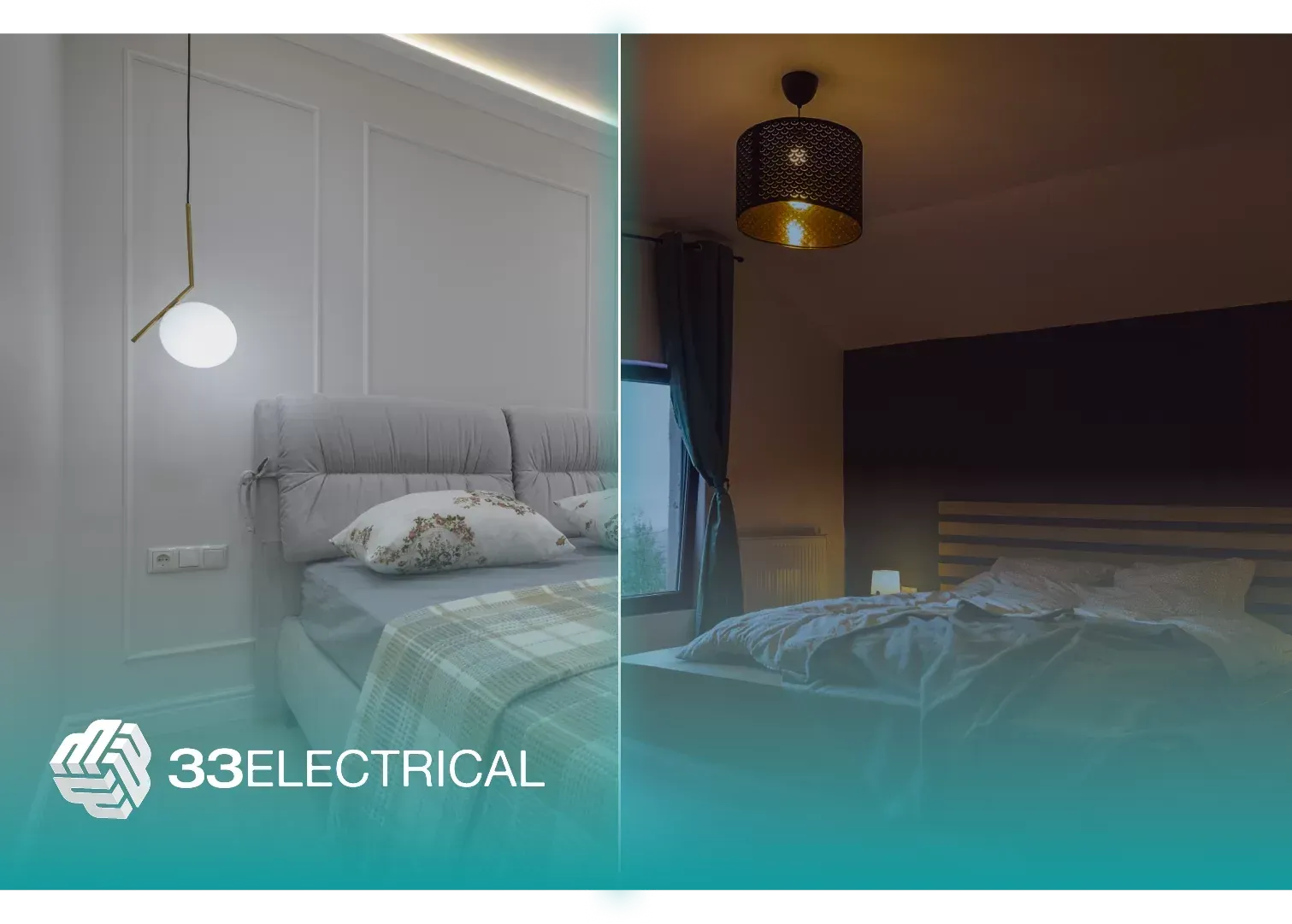
Lighting does more than help you see, it sets the entire mood of your home. Whether you’re relaxing in the lounge or working in the kitchen, the colour temperature of your lights (white or orange) makes a huge difference to comfort, style, and even productivity.
But which is better for your home, crisp white light or warm orange light? Let’s break down the pros and cons of both, and how to choose the perfect glow for each room.
Understanding Light Colour: White vs Orange
Every light bulb has a colour temperature, measured in Kelvins (K).
- Warm/Orange light (2,700K – 3,000K):
Soft, amber-toned light that feels cosy and inviting. - Cool/White light (4,000K – 6,000K):
Bright, crisp light that mimics daylight and enhances clarity.
The difference might seem small, but the impact on your home’s look and feel is huge.
Warm (Orange) Light: Pros & Cons
Pros:
- Creates a cosy, welcoming atmosphere – ideal for bedrooms, living areas, and dining rooms.
- Helps the body wind down naturally – perfect for nighttime relaxation.
- Reduces glare and eye strain in low-light settings.
- Complements natural materials like timber, brick, and warm paint tones.
Cons:
- Can make rooms appear smaller or dimmer.
- Not ideal for task-heavy spaces (like kitchens or offices).
- May distort the true colour of décor and wall paint in photos or daylight.
Best used in: lounges, bedrooms, dining rooms, and outdoor patios for ambience.
Cool (White) Light: Pros & Cons
Pros:
- Feels clean, bright, and modern, perfect for contemporary homes.
- Enhances focus and visibility, ideal for kitchens, bathrooms, garages, and workspaces.
- Mimics daylight, making it great for makeup areas or home offices.
- Improves colour accuracy when you need to see details clearly.
Cons:
- Can feel harsh or sterile if overused.
- May disrupt sleep if used late at night.
- Highlights imperfections in walls or furniture finishes.
Best used in: kitchens, bathrooms, laundries, home offices, and hallways.
Mixing White and Orange Lighting
You don’t have to choose just one, the best lighting plans
combine both tones strategically:
- Warm lighting for relaxation zones.
- Cool lighting for productivity and visibility.
- Use dual-tone LED lights or smart bulbs to switch between colour temperatures with ease.
Smart lighting lets you adjust brightness and warmth via app or voice command – perfect for changing from “work mode” to “movie night.”
Choosing the Right LED Bulbs
When upgrading your lights, look for:
- Dimmable LEDs – for adjustable brightness.
- High CRI (Colour Rendering Index) – above 80 for accurate colour representation.
- Energy-efficient LED fittings – use up to 80% less power than halogen or incandescent bulbs.
If your home still has old fittings, a licensed electrician can upgrade you to modern LED lighting that matches your design style while cutting power costs.
Local Insight: Newcastle Homes & Lighting
Homes around Newcastle and the Hunter region often combine warm lights for coastal comfort and cool lights for modern renovations. If you’re unsure which mix suits your space, 33 Electrical can help you design a lighting plan that looks great and saves energy year-round.
Both white and orange lights have their place, it’s all about how you want each room to feel.
- Warm lights create comfort and ambience.
- Cool lights enhance clarity and productivity.
- The best homes use both, tailored to lifestyle and layout.
Whether you’re renovating, upgrading to LED, or planning a new build, talk to
33 Electrical Newcastle about lighting solutions that blend efficiency, comfort, and style.
You might also like